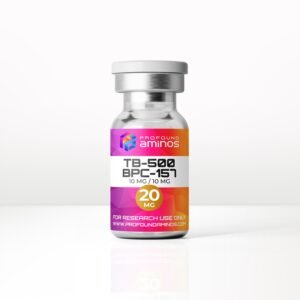
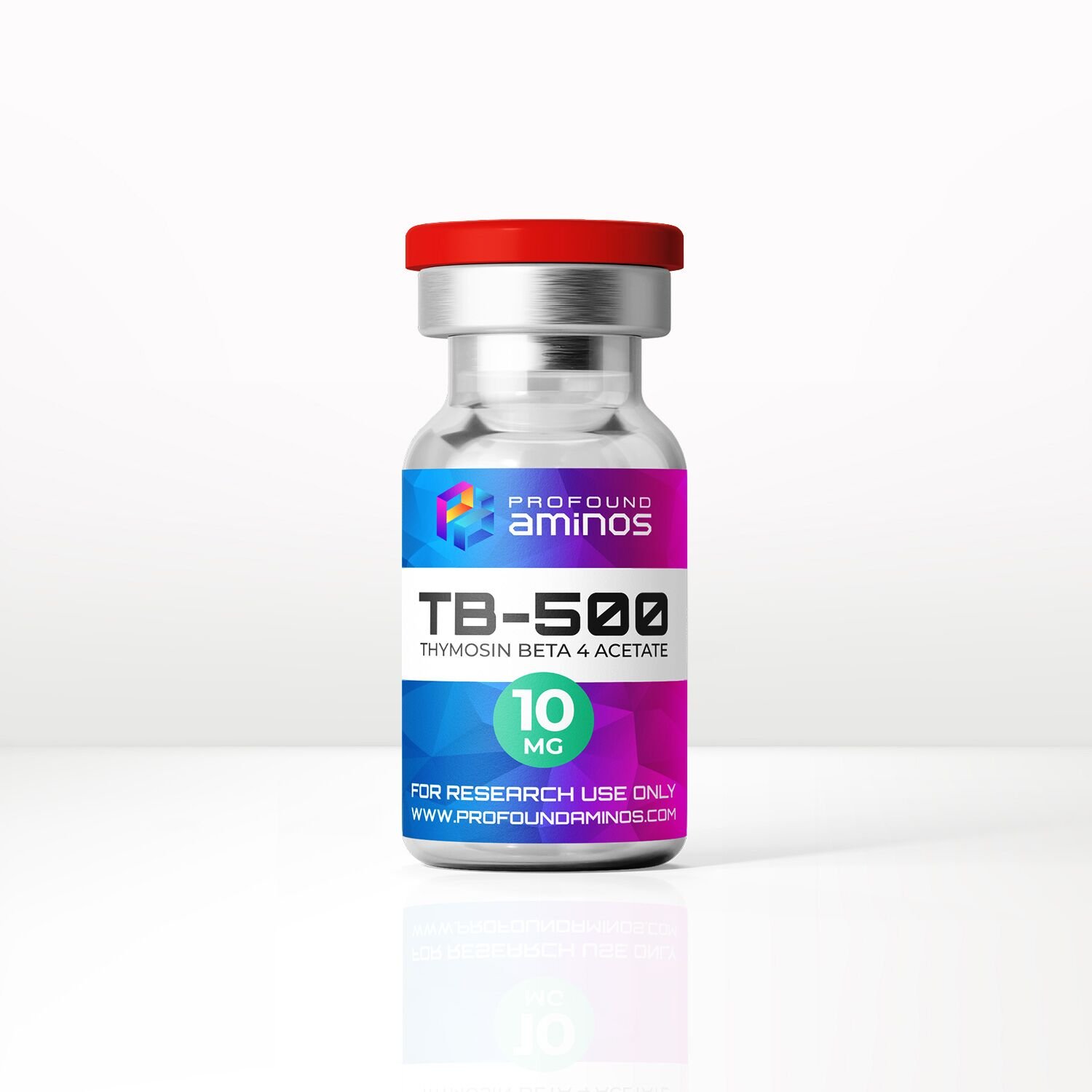
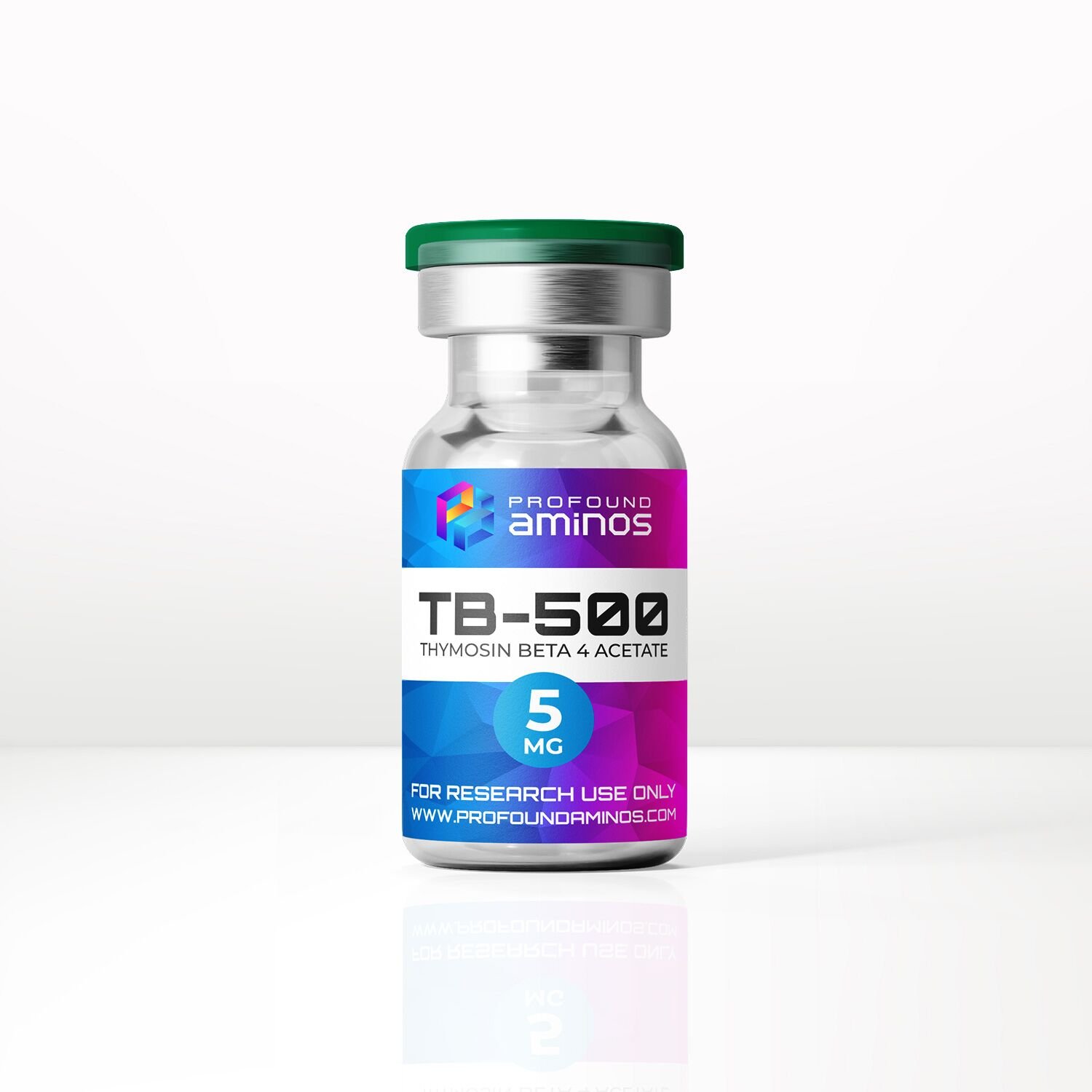
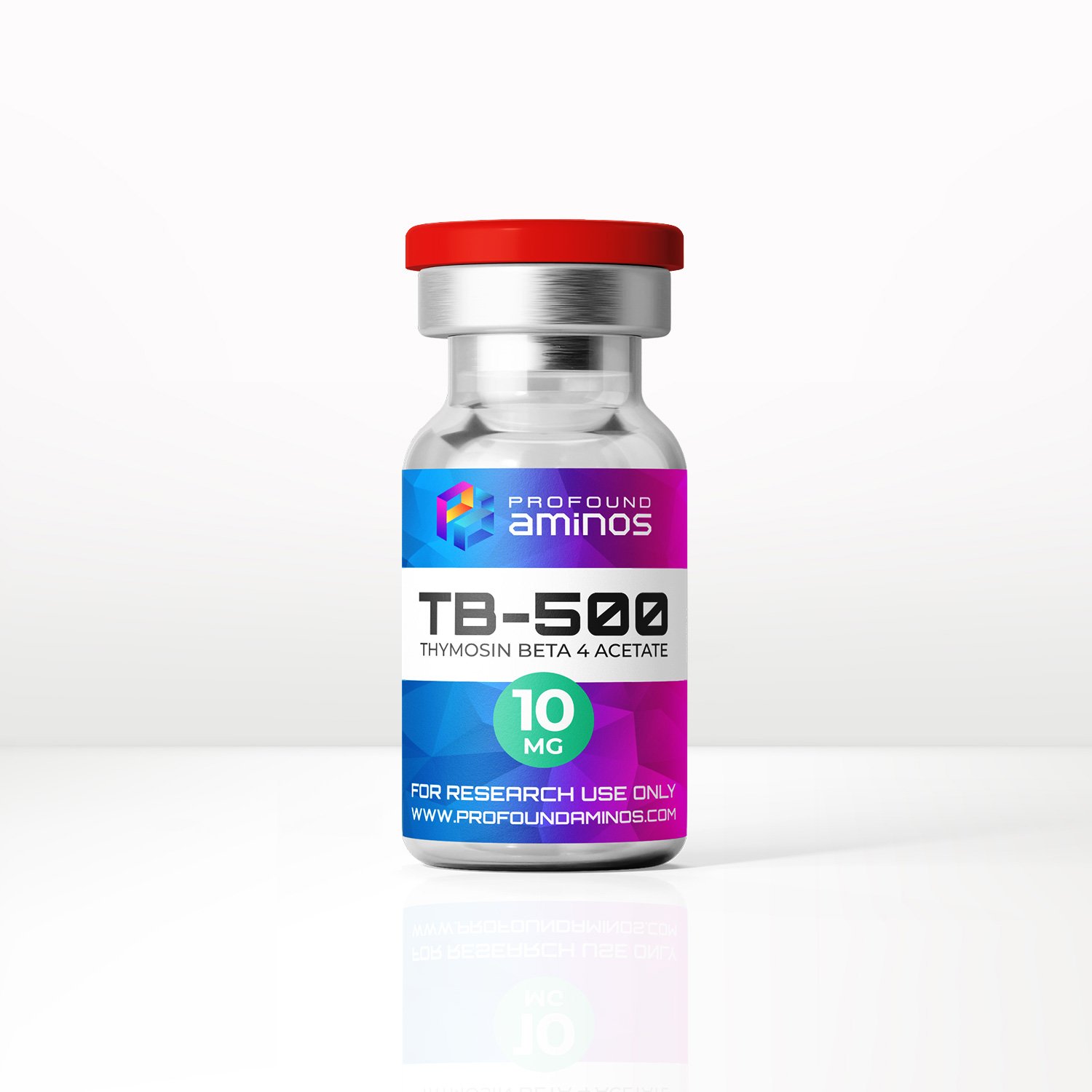
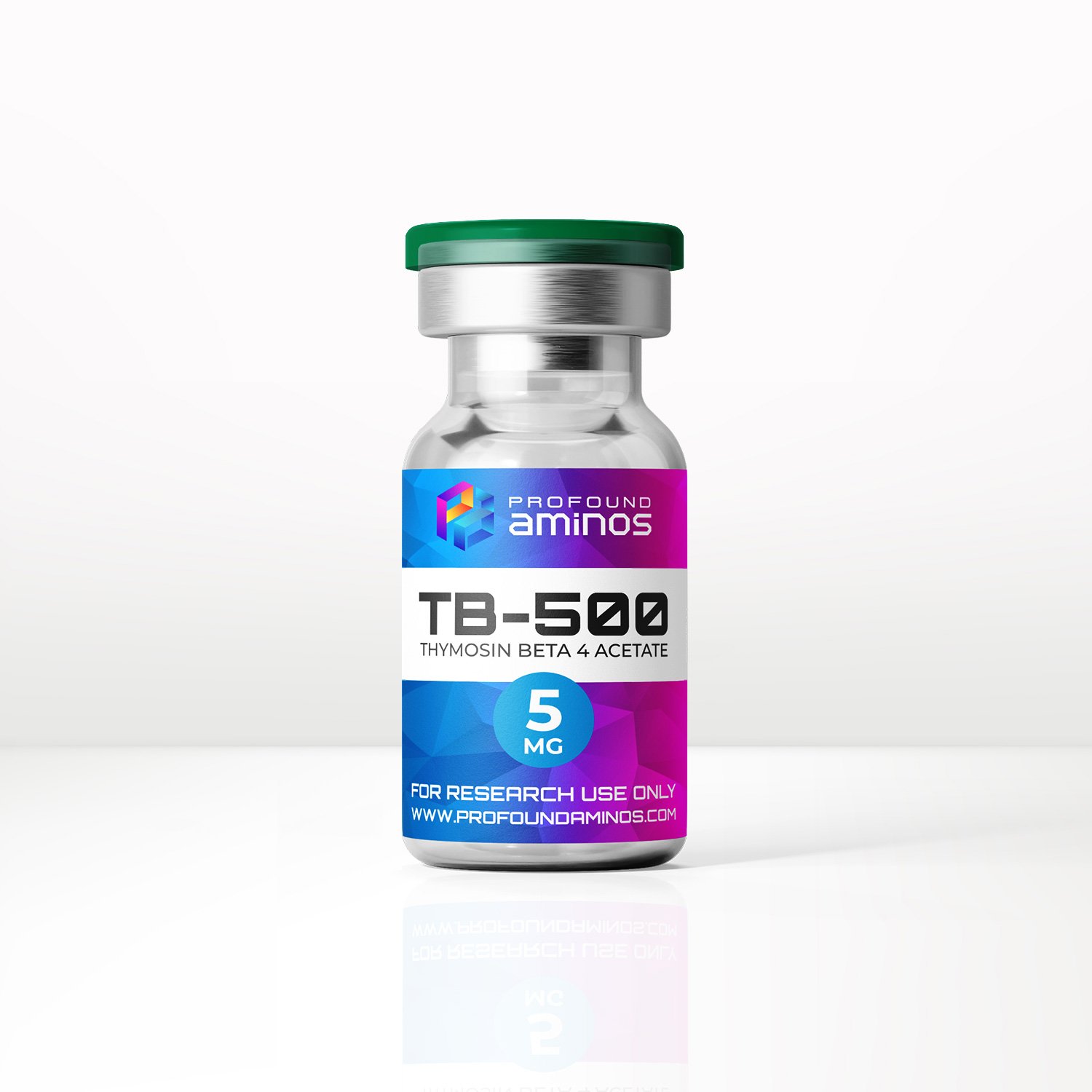
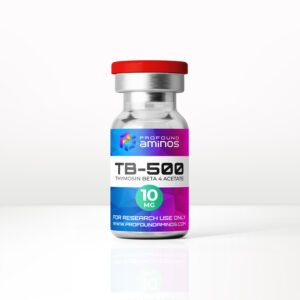
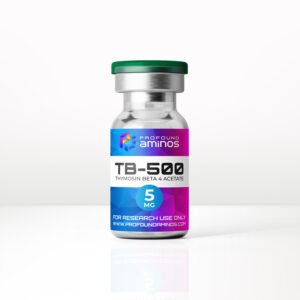
TB 500
Price range: $35.00 through $59.00
TB 500 is a high-purity synthetic peptide fragment of Thymosin Beta-4, studied for its impact on cellular migration, actin regulation, and wound-healing pathways. It provides researchers with a reproducible experimental model for investigating tissue regeneration, angiogenesis, and cytoskeletal organization under controlled laboratory conditions.
TB 500 (Thymosin Beta-4 Fragment): Cellular Regeneration & Actin-Binding Research Compound
Product Specifications
– Formula: Synthetic peptide fragment derived from Thymosin Beta-4 (Ac-SDKP analog)
– Molecular Weight: ~4963 Da
– Purity: ≥99% (HPLC verified)
– Storage: –20°C, protected from light and moisture
– Solubility: Soluble in sterile water or phosphate-buffered saline (PBS)
– Disclaimer: For Research Use Only. Not for human or veterinary use.
TB 500 Overview and Research Scope
TB 500, a synthetic fragment of Thymosin Beta-4, is a well-characterized peptide widely used in laboratory research to understand cellular regeneration and actin-mediated repair mechanisms. Thymosin Beta-4, originally isolated from the thymus gland, plays a central role in cytoskeletal reorganization, cell movement, and differentiation. Its synthetic counterpart, TB-500, preserves the core bioactive region responsible for actin-binding, making it a valuable reagent for molecular and cell biology studies.
In conclusion, TB 500 (Thymosin Beta-4 Fragment) stands as an essential compound for modern peptide-based research. Its unique actin-binding mechanism, reproducible biological activity, and compatibility with multi-peptide systems make it a cornerstone in regenerative peptide studies. Researchers use TB 500 to explore the mechanistic basis of cellular repair, actin dynamics, angiogenesis, and tissue restoration, providing valuable data for the evolving field of molecular regeneration science.
Actin Dynamics, Cell Migration, and Angiogenesis Models
In cellular models, actin is one of the most abundant proteins, forming dynamic filament networks that define cell structure and motility. TB 500 regulates the equilibrium between globular (G-actin) and filamentous (F-actin) forms, enabling scientists to observe how cytoskeletal modulation influences cell migration and tissue repair. This has made TB 500 a critical tool in research fields examining angiogenesis, fibroblast activation, and extracellular matrix formation.
Experimental findings from in vitro and animal model studies have demonstrated that TB 500 enhances the movement of keratinocytes and endothelial cells to sites of cellular injury. This migration process is pivotal to understanding how tissues regenerate following oxidative or mechanical stress. Studies published in preclinical journals have shown that TB 500 may influence gene expression patterns related to repair pathways, providing insight into the regulation of growth factors such as VEGF (vascular endothelial growth factor) and TGF-β (transforming growth factor-beta).
Another area of interest is angiogenesis — the process of new capillary formation from existing blood vessels. Laboratory assays utilizing TB 500 show increased endothelial cell organization and migration, which are critical parameters in wound-healing models. This angiogenic property is believed to result from TB 500’s ability to upregulate actin-binding proteins that facilitate cytoskeletal remodeling and cellular adhesion. By studying these effects, scientists can understand how actin-binding peptides contribute to tissue reorganization in a controlled environment.
Multi-Peptide Synergy with BPC-157 and GHK-Cu
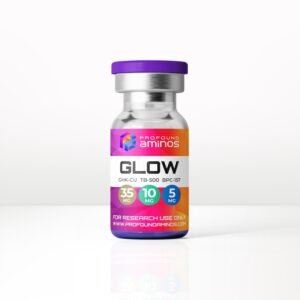
In advanced peptide research, TB 500 is frequently studied in combination with BPC-157 and GHK-Cu to assess multi-peptide synergy. These studies allow comparative analysis of how peptide families may coordinate to promote cytoskeletal stability, gene repair signaling, and oxidative protection. Such combined models help researchers examine peptide-based networks that mimic integrated cellular recovery systems, expanding the scope of regenerative peptide biology.
Inflammatory Modulation and Immune-Regenerative Signaling
Beyond tissue repair, TB 500 also provides a platform for studying inflammatory modulation. It has been shown in preclinical investigations to influence macrophage polarization and cytokine balance, key factors that determine the quality and duration of inflammatory response during recovery. Such data provide a deeper understanding of immune-regenerative signaling, forming the foundation for future molecular exploration.
Analytical Quality, Stability, and Handling for Reproducible Assays
From a technical perspective, TB 500’s high purity (≥99%, HPLC-verified) ensures reproducibility in experiments involving cell migration assays, scratch models, and protein expression studies. It remains chemically stable under appropriate storage conditions and dissolves easily in standard aqueous buffers, making it suitable for repeated testing across different laboratory setups.
For Research Use Only. Not for human or veterinary use
Information presented is derived from published scientific literature and intended solely for laboratory and academic reference.
Features / Highlights
– Supports actin regulation and cellular migration research
– Enables studies on angiogenesis and wound-healing pathways
– Validated purity (≥99%, HPLC-tested)
– Consistent and reproducible in in-vitro systems
– Compatible with BPC-157 and GHK-Cu for synergistic research models
– Designed strictly for Research Use Only (RUO) standards
Selected Research References
- Huff, T. et al. (2001). “Thymosin Beta-4 Is a Major Cellular Actin-Sequestering Protein.” J. Biol. Chem.
- Malinda, K. M. et al. (1999). “Thymosin Beta-4 Accelerates Wound Healing.” J. Invest. Dermatol.
- Goldstein, A. L. et al. (2012). “Regenerative Effects of Thymosin Beta-4 Derivatives in Animal Models.” Ann. N.Y. Acad. Sci.
- Sosne, G. et al. (2015). “Mechanistic Insights into Thymosin Peptides in Cellular Migration and Repair.” Exp. Eye Res.
Storage Instructions
– Store at −20°C in a tightly sealed container
– Protect from light and moisture
– Avoid repeated freeze–thaw cycles to maintain purity and structural integrity
– Store at −20°C in a tightly sealed container
– Protect from light and moisture
– Avoid repeated freeze–thaw cycles to maintain purity and structural integrity
molecular Structure
FAQs
Q1: What is TB 500 used for?
A1: TB 500 is used for laboratory research exploring actin regulation, cell migration, angiogenesis, and wound-healing mechanisms.
Q2: Is TB 500 identical to Thymosin Beta-4?
A2: No. TB 500 is a synthetic fragment representing the bioactive region of Thymosin Beta-4, optimized for laboratory reproducibility.
Q3: What purity levels are required for TB 500 research?
A3: High-purity TB 500 (≥99%, HPLC verified) is used to ensure consistent results across molecular and cellular studies.
Q4: Can TB 500 be used in humans or animals?
A4: No. TB 500 is strictly for Research Use Only and not intended for human or veterinary applications.
Q5: How is TB 500 stored for long-term research stability?
A5: Store at −20°C in a light-protected, moisture-free environment to maintain integrity and reproducibility.
| Strength |
5mg, 10mg |
|---|
DISCLAIMER:
- Products sold on our website are meant for scientific research purposes only, designed for in vitro testing and lab experimentation exclusively. These products are not intended to be used as foods, drugs or cosmetics, any sort of bodily introduction of the products into humans or animals is strictly prohibited. They must also not be misbranded, misused, or mislabeled, or used for anything other than research and scientific investigation.
- All the products you see on the website are being sold in a lyophilized powder state (freeze-dried), in a sealed sterile vial; and should be reconstituted.
The product’s label clearly states the amount of product a vial contains; some products are offered in different variations. - The products we are selling come in a sealed vial but require additional lab equipment for proper testing.
- Though we make sure packaging, label, seals and writing does not differ from the product photos you see on our website, there is a chance for a minimal deviation.
Frequently bought together: Epithalon, Selank, 5-AMINO-1MQ
Related products
Research Compounds
Research Compounds
Research Compounds